
We’re at the thick end of trialing season with the South Islands and the New Zealand Nationals only just around the corner. As preparations have me stretched a little thin, I thought that I’d start a mini-series of shorter blog posts to tide us over during this busy period. In this series, called Pitching In, I’m covering topics aimed at showing handlers how they can help out and being part of the gundog community because we all know it takes a village to run a good club.
I don’t remember the first time I laid blinds at a trial, but I have to say, it’s one of my favourite jobs to do out in the field. There’s something quite lovely about finding a nice, secluded spot on the course where you get to see a totally different perspective on the dog-work. It’s also one of the least technical jobs you can do to help out. No fancy equipment, just you and a bucket of dead birds… not quite bliss, but pretty chill.
What Does Laying Blinds Mean?
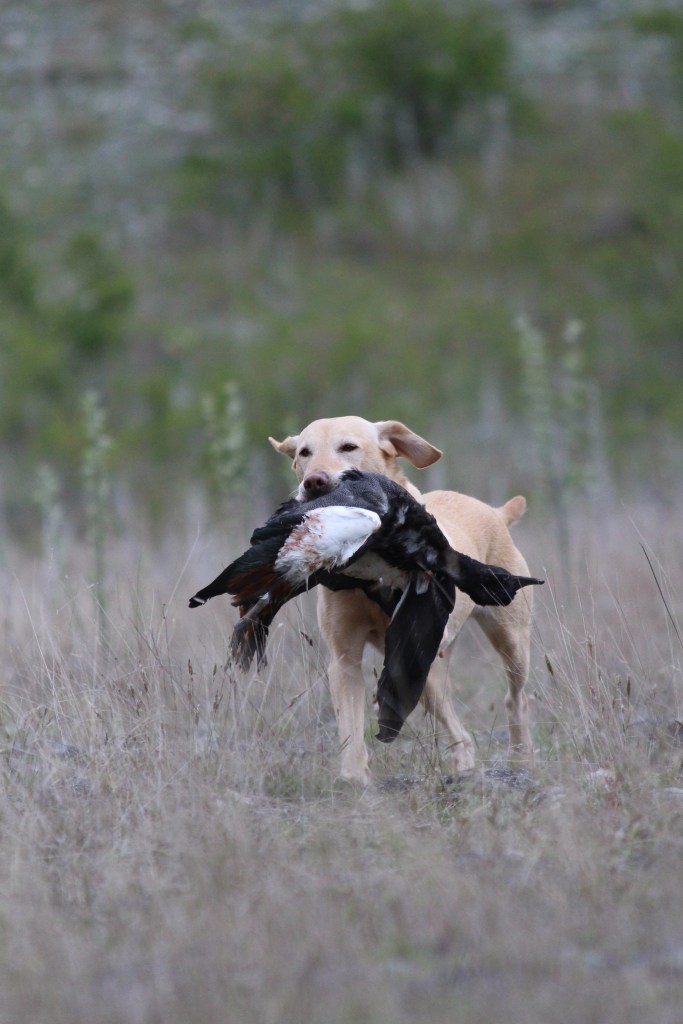
To most people, ‘laying blinds’ probably sounds like some dark corner of the internet, but to gundog folk it’s just another job in the field. A ‘blind’ is game (birds or rabbits) that is out in the field that the dog hasn’t seen flying through the air. It simulates a real-world shooting scenario where the dog hasn’t seen where the game went down, and needs to be directed to the game by the handler in order to retrieve it. In contrast, most birds at a trial are ‘marked birds’ meaning they are thrown from a zinger (a big slingshot) and the dog gets to see them ‘fly’ and can pinpoint where they ‘land’.
So, laying the blind is simply putting a dead bird out on the course, in the same hidden location for each dog to find when directed by its handler.
How to Lay Blinds
While laying blinds is pretty easy, there are a few important things to know about how it’s done. Firstly, when walking out to the spot where the blind will be put down, it’s crucial that you don’t walk the path (called the line of cast) the dog will take when sent by the handler. This is because your scent trail could lead the dog straight to the blind. When walking out into the field, the person laying the blind will walk around the line of cast so that they don’t interfere with the course.
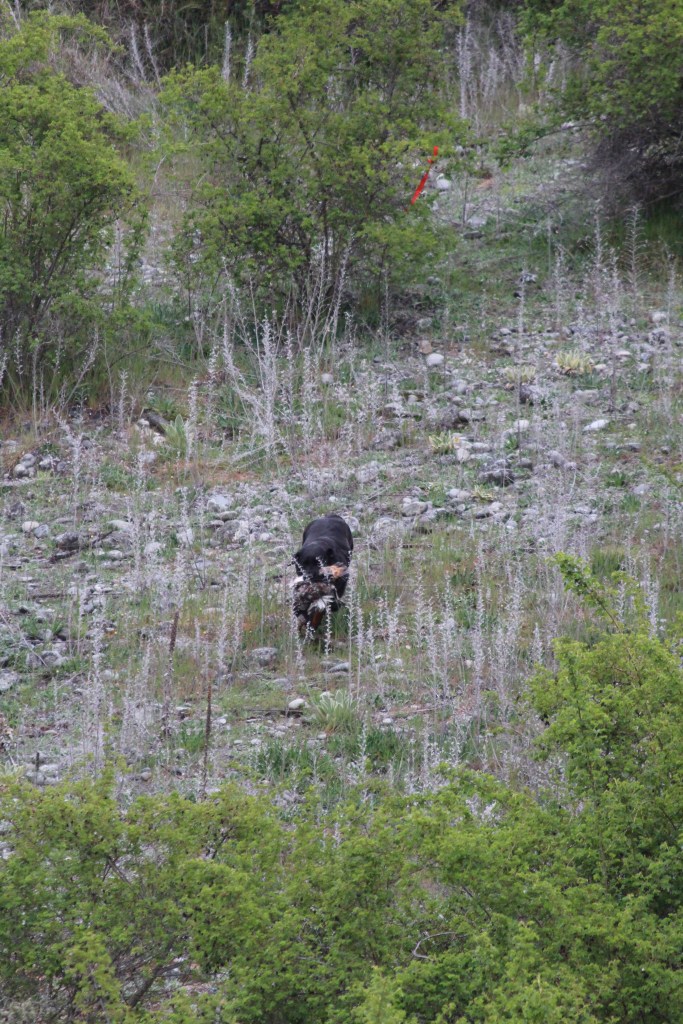
Blinds need to be identifiable for the handler so that they know where to send the dog. This is usually done with a small piece of orange tape or ribbon, or sometimes by natural features in the course. Orange is used as dogs have a limited colour spectrum and orange is one of the colours they can’t see. It could be your job to tie that ribbon onto a feature close to where the blind will be placed. This is to help the handler identify roughly where the blind is so that they can correctly direct their dog when it’s their turn to run. This may have been done for you, but if you’re helping set the course up, the judge will tell you how and where to do this.
If your blind marker is a less obvious natural feature, like a tuft of grass in amongst 50 tufts of grass, you might use a fallen branch or some other natural material to help you remember exactly where to place the blind. But, check with the judge that that’s ok before creating your own beacon to the blind.
When sitting out on the blind, the judge will usually tell you to sit somewhere out of view of the dog so that you aren’t a distraction or a reference point while they’re running. You usually still get a pretty good view of things but it’s important to remember to keep quite so that you can hear the judge if they need to call out to you. For this reason, it’s always a good idea to stay focused on the job too. While it can be tempting to be on your phone, you might miss the instructions to pick up, or replace a bird between runs.
The game used for the blinds will usually be kept in a larger lidded bucket. This is so that the scent from the unused blinds don’t direct the dog to the location either. Remember that once you’ve put the blind out in exactly the same location you need to return to your hiding spot and quietly rest the lid back on top of the bucket. This also stops sneaky dogs from finding you and stealing a bird from the bucket instead of getting the bird out on the course.
As tempting as it can be to sit on the bucket, I would advise caution… as a newbie, I did this only to discover that my weight clicked the bucket lid shut. When I went to get the next bird out of the bucket, I couldn’t get the bloody lid off! Cue a state of panic and needing an assist… Mortified, I vowed never again!
Why You Should Give Laying Blinds a Go?
Laying blinds is a great way to see how dogs work out in the field. They give you a whole new appreciation for the dogs ability to follow instructions and use their nose. Blinds also gave me a new found respect for the influence the wind direction can play on a dogs chances of having a successful find.
Watching great handlers cope with challenging conditions like cover, wind, the influence of previously thrown marked birds shows you the level of technical skill that is needed to progress your own dog up to Limit and into Open. Blinds really separate out the dogs and handlers that have the skills to work in a bloody tough environment.
After a few sessions laying blinds, you’ll soon be able to spot those dogs that can listen, take direction and use their nose to help them locate game versus those that won’t take stops or casts and run around madly trying to locate the game with their eyes. These are all factors you might not get exposed to before you tackle your first blind with your own dog in Limit.
Laying blinds helped me to make the decision not to run Hail in Limits yet, although this is about to change, because I knew that we didn’t have the level of skill or tools required to complete them successfully. And as we know, we want to set our dogs up for success, not failure. I wouldn’t have been able to have that insight unless I’d been out in the field to see what was really required to handle on a blind.
Laying blinds might seem like a small job, but it’s another great way to help out at a trial or training day. It helps the day run smoothly and gives all handlers a fair test for their dog. Have you ever laid blinds before? Or is it a job you’d like to try your hand at? Let us know in the comments, especially if you’ve got a memorable experience from your time out laying blinds.
Keep an eye out for the next installment of Pitching In where I’ll talk about using dummy launchers.

 Field Notes & Follies
Leave a comment