
With the South Island’s happening this coming weekend and the New Zealand’s the week after that, I thought I’d talk about a topic that’s been preoccupying my mind over the last few months… the nature of competition.
The Basis of True Competition
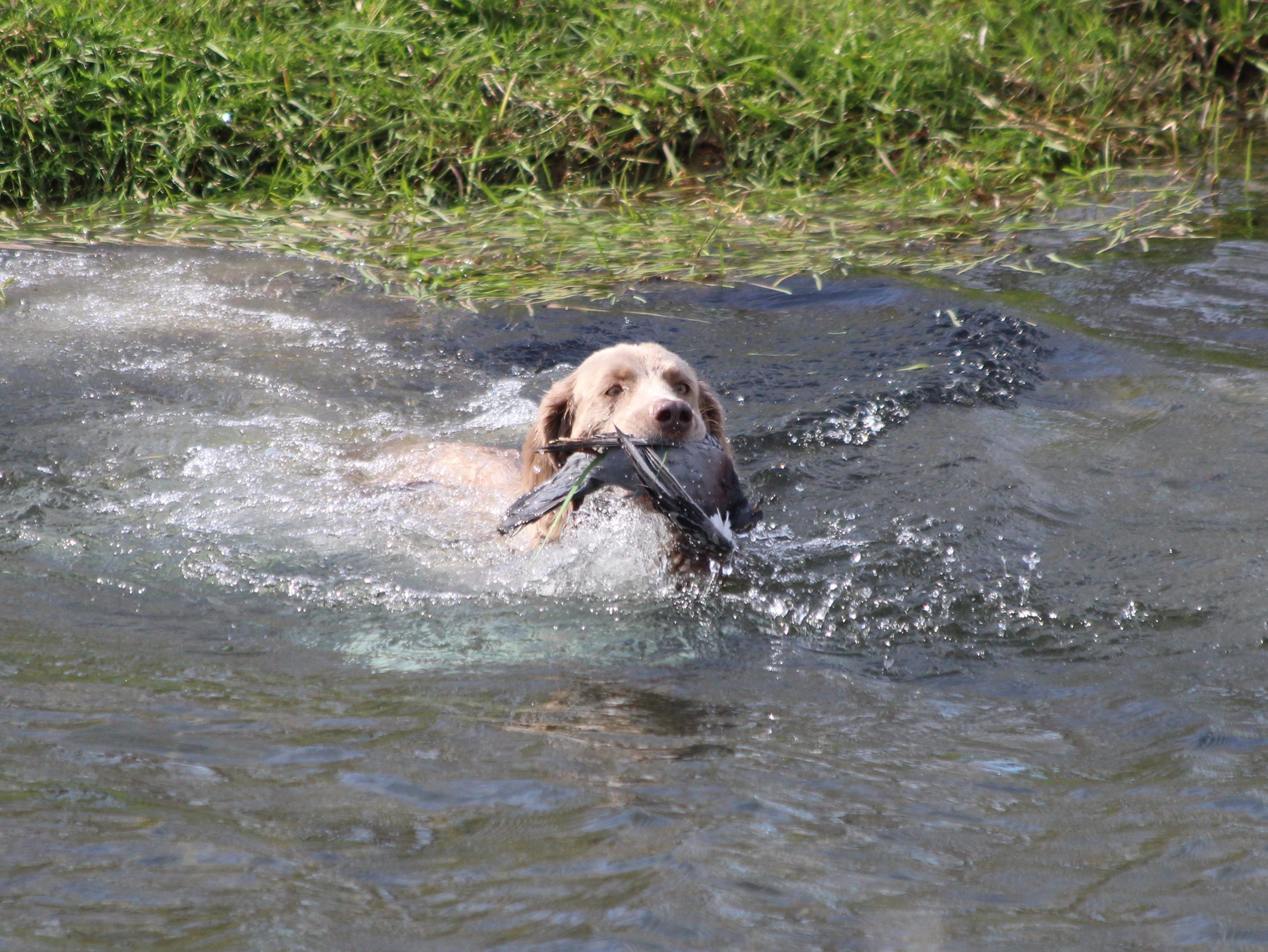
It shouldn’t come as a surprise that field trials are a competition. They are designed to test the ability of the different dog/handler teams and ultimately find the one that performed the best on the day.
Field trialling isn’t a participation sport. It’s designed to test the ability of real hunting dogs to see which dogs can perform the job well. It is challenging, and so it should be!
Many of us trial our dogs as a way of testing and refining the skills our dogs will need when we are out in real hunting situations. We want steady dogs so that they don’t become a hazard to themselves or other hunters. We want dogs that can mark well so that we can quickly and efficiently recover game once it’s been shot. We want dogs that will take instruction in the field so that they can be directed to pick up birds that they haven’t seen go down.
Only exceptionally dedicated handlers and well-trained, biddable dogs have what it takes to do this at an extremely high level – hence, field trialling is a serious competition.
Maintaining Your Competition Perspective
As is the case with all good competitions, there are a few key elements that apply:
- The different levels pose a fair challenge to each dog and handler – to test each team and find the best team on the day.
- A certain level of skill is required to be able to complete the competition.
- There are going to be winners and losers.
I think, while these points seem obvious, it’s important to remind ourselves of these facts every time we step up to the peg. By remembering these points you’ll be able to put the competition into perspective.
We’ve all been in situations where we felt hard done by at a competition event. Where we thought the course was too hard for the level, that we hadn’t got the skills to be able to do something successfully or where we’ve been gutted by our own performance. That’s all pretty normal, no one said that competitions were easy. But, these feelings would probably happen less if we were more realistic with ourselves from the outset… and this brings me to the crux of today’s post.
What’s Your Level of Competitiveness?
Regardless of whether you’re in Novice or Open we all have different levels of competitiveness. What I mean by this is we all have different reasons for being there. Although we should all be there to compete seriously, why we compete might look really different from one handler to the next.
For some of us, we are there to compete so that we can expand our knowledge and understanding of our dogs. The better we can do that, the better we can handle our dogs. The scores aren’t really the goal, but by understanding our dogs or the training we improve our scores, and this makes us more competitive.
For others, we are there to win. It is all about the scores. We invest heavily in the training and trialling of our dogs. We want to showcase our own skills as a handler, and those of our dogs because we want to be, and beat, the best. The drive to win makes us more competitive.
For most of us, I’d say another reason we compete is that it gives us the perfect excuse to spend a great day in the outdoors with our dogs and our friends.
Why does it matter?
Once you know what your level of competitiveness is, it means that you can set yourself up for perceived success more easily. That makes you a better trainer in the yard and a better handler at the peg. Both are wins for your dog.
In truth, it actually doesn’t matter why you compete. No one reason is more valid than another. No one level of competitiveness is better than another either.
What is important is that you’ve identified your reason for being there, that it aligns with your expectations on the day, and that your behaviours (before and at the trial) are consistent with your reason.
It’s unfair to yourself and your dog to be hyper competitive and want to win if you don’t put in any effort to train consistently or you ask your dog to perform behaviours that you haven’t bothered to teach them. You’d be setting yourself up for disappointment and frustration every time. If you are super competitive, own it! Train for it. Invest in it.
How My Competitiveness has Changed Over the Years
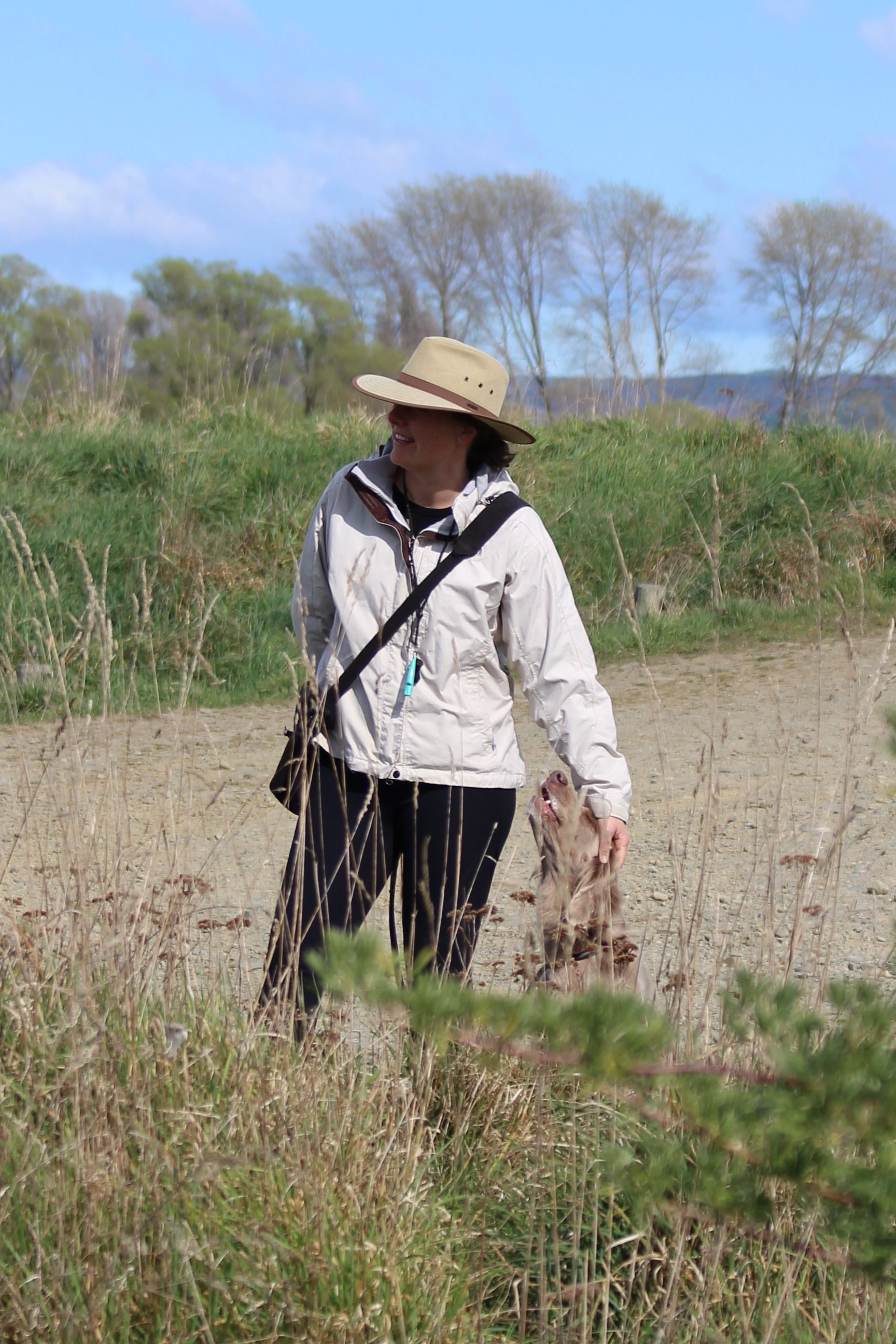
When Hail and I started field trialling, we kept getting disqualified for munching birds… well Hail munched the birds, but you get what I mean. You could argue that we shouldn’t have been competing, because we didn’t have all the skills to complete the competition but at that time, my level of competition was pretty simple. I wanted us to be able to complete a Novice trial with an aggregate score (having completed both the land and water sections without getting disqualified). I didn’t care if we only had five points left at the end of the trial… I just wanted to be able to say that we had enough skill to finish a Novice trial.
Once we mastered that (many months later!), my level of competitiveness grew and I wanted to aim to complete a Novice trial with an aggregate score over one hundred points… not a lofty goal by any stretch, but for us it kinda was.
Our current level of competitiveness is two-fold. For the upcoming South Island’s and New Zealand’s we’re aiming a little higher:
- I want to consistently complete Novice trials with an aggregate score over 180 points (which means we’d average 90+ points one both the land and the water)
- To complete a Limit trial with an aggregate score – at this stage, any score will do as we’re new to blinds.
If you’re further on in your trialling journey, your level of competitiveness might look different to mine. But for us, this is where we’re at right now. It’s important to note that it’s always changing. As we master new skills, as we grow in confidence, and as we gain experience in the field, I find that I’m aiming higher, and becoming more competitive.
This couldn’t happen if our competitions were too easy. It couldn’t happen if everyone went home a winner every weekend. Challenging competition is the very thing that drives us to improve our handling techniques, to build better relationships with our dogs, and to critique our own personalities so that we can become better dog trainers (and people).
So, embrace your level of competitiveness at your next event. You might be surprised by where you sit on the competitiveness scale. There’s no need to be worried about it. Just run with it. Develop your behaviours to match and see where it takes you.
Emily & Hail 🐾





Leave a comment